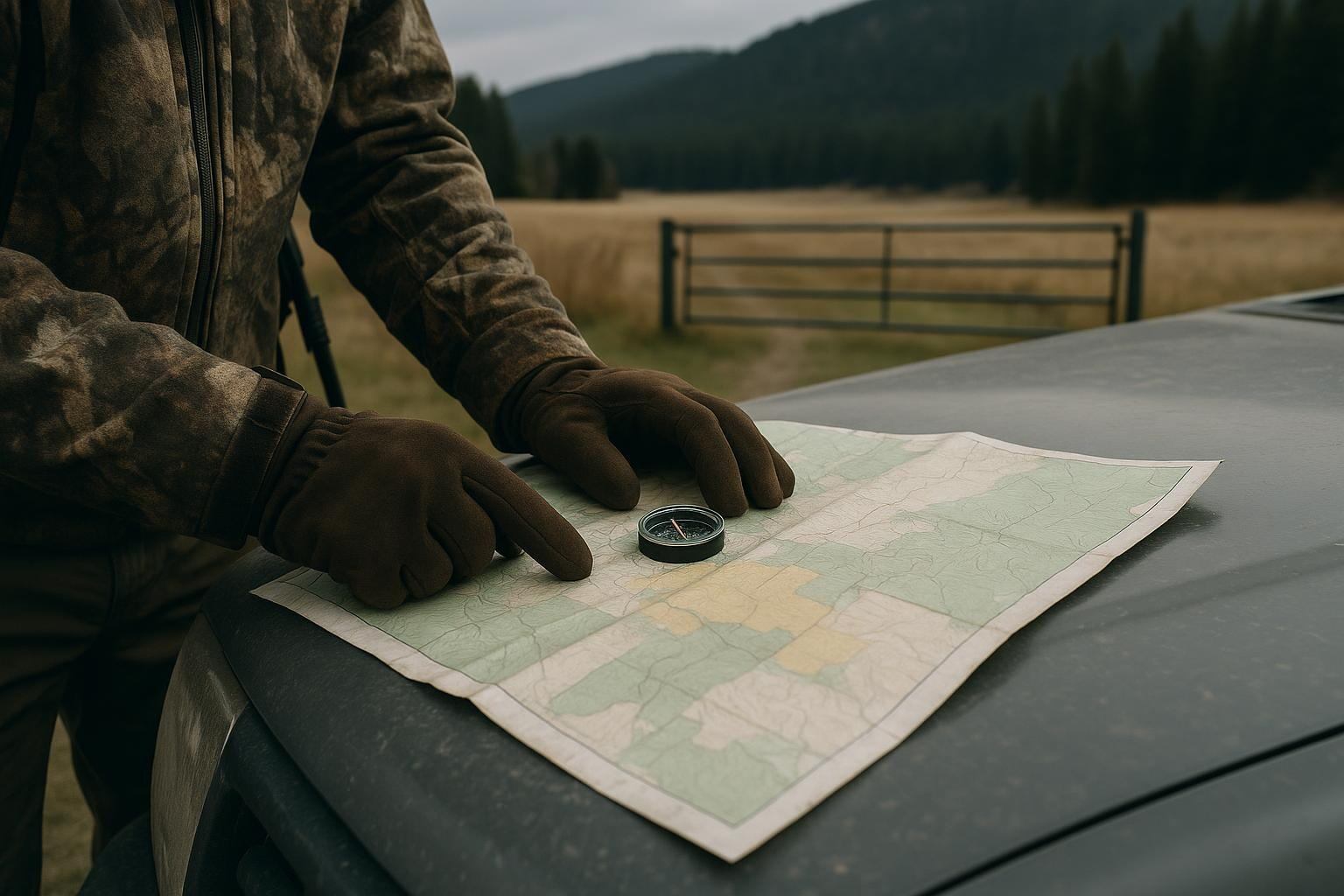
Ensure Your Public-Land Hunting Experience is Legal
Hunting, on land gives you many chances but it can be hard if you are not ready. Before you even get out of your car problems like closed gates, private land or sudden rules can stop your plans. Making a checking process before you go that connects maps, updated rules, travel plans and good hunting behavior is important.
Focus on How You Will Get to the Land First
A good place to hunt is nothing if you can't get there legally. So your first step should be checking the entrance you want to use. Always look at the organization that takes care of the land for the road conditions times when roadsre closed and any important messages. Satellite pictures can show you a view. They don't show if a road is open has a gate is broken or is for uses.
It helps to keep the entrance separate from where you will hunt on your map. If the only way in is not clear think of that place as not confirmed. Also think about how it's from where you can park, which might mean walking a long way crossing water or going around closed roads. All of these things will affect how long you are outside and what gear you need to bring.
Check the Borders in Person
Understanding where public land ends can be hard. Remember that online maps are tools, not proof of where you can hunt. These borders can be hard to see in forests on grass or across ground. Trails can change without any signs.
To check the borders use the map of the land and the local rules posted signs and county documents. Keep your maps with you. Don't depend on them only. A paper sign is more important than a map on a phone.
When you get to the entrance look for signs, gates and marks. Take a picture of any signs. That doesn't mean you don't need to read all the rules or talk to someone in charge. If you are not sure pick a place with rules. It's better to hunt in an spot than to break the rules while you are armed.
Check Rules Again Before You Go
Hunting rules can change during the season because of things like emergencies, fires or changes in the animals. These changes can happen after you have marked your map or made your plans so its important to check before you leave.
Just like you checked the entrance make sure the rules for the place you are going are correct. Know the licenses, permits and what you need to do to report what you catch. Also make sure you follow the rules for vehicles, camping and the weapons you use. Because cell phone service can be bad in areas printing the main parts of the rules can help. Make sure this paper has the source and the date it was checked so you can use it as a guide not as the rules.
Be Ready to Change Your Plans
A good backup plan means more than having another place to hunt. It means being sure about the way the borders, the time you expect to get and the conditions that match your skills and gear. If your main place is not open, too crowded or unsafe because of the weather be ready to change
A good way to think about it is simple: if you can't check the way the rules or the way back don't make a choice at the start of the trail. That means using your plan waiting to go or changing your hunt. The pressure to make the most of a trip is not a reason to go on land or break the rules.
Also tell someone about your plans. Give them the place you will go the entrance you will use the backup plan, when you expect to come and when they should check in with you. Only share spots and private land details with people who need to know. This helps you stay responsible and acts as a safety check if something goes wrong not as a way to tell everyone where you're
Think About the Land You Are Using
Even if you have the right to be in some areas being careful with the environment matters. Using cars a lot can damage roads create paths and harm places where animals live. A nice parking spot might block a gate or a path for workers causing problems.
Use the roads and parking spots that are allowed. Clean up after yourself. Avoid areas that're closed or where you are not supposed to be. Always think about people who're outside like other hunters, walkers, people with animals and the wildlife. If the ground is muddy think about parking in a place that might make it worse. Maybe backing off or waiting for weather is the choice.
A Useful Checklist for Hunters
Before you go look at this list of depending on your memory:
– Entrance: Is the road, gate and parking area open and clear?
– Borders: Can you find the land. Make sure your path is legal?
– Rules: Have you checked the hunting rules for this place the type of animal and the date?
– Conditions: Are you ready to come with the weather how much light there is, the ground and the gear you have?
– Backup: Is your second place open and easy to reach?
– Communication: Does someone know where you are going when you expect to return and when they should check in?
Do this list just before you leave. That time helps you catch any last-minute changes and gives you time to change your plans. Keep the agencys phone number. A quick call can fix any confusion a map can't solve.
Finish Your Planning with Confidence
preparation means knowing when to say no. If you find confusing information when you get there. Think again. If the borders are not clear be careful. If new rules or bad conditions affect your hunts safety or rules use your plan. Don't go at all.
This way of thinking may cost a day of hunting. It keeps your rights to be helps the land and keeps the name of good hunters. Being ready, with the info and knowing your limits makes a trip. It lets you leave the land the way you found it- not touched.